Introduction
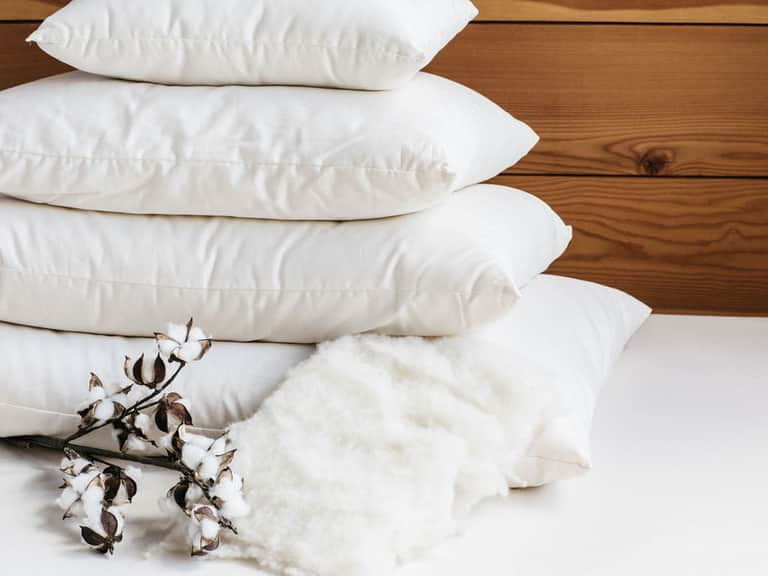
In a world where every night promises rest but not every pillow delivers it, organic wool emerges as a standout choice for sleepers seeking both comfort and conscience. Wool is naturally breathable, humidity regulating, and remarkably resilient, qualities that translate into loft that lasts and a sleep surface that feels harmoniously supportive. This guide dives into why organic wool pillows from trusted brands have earned a devoted following, what makes them sustainable, and how to care for them so your investment keeps its shape year after year.
We explore three standout brands that frequently appear in top recommendations: Savvy Rest, Naturepedic, and a broader landscape of boutique producers like Shambho and Shambho-inspired designs. The goal is to provide a reader-friendly, editorial look at how organic wool pillows fit into a sleep-wellness mindset—without hype, just the facts and the feel of a truly comforting night’s sleep.
Why organic wool makes a difference
Organic wool is more than a fluffy surface; it’s a performance fiber that adapts to your body while maintaining a breathable microclimate. Wool’s natural crimp creates air pockets that wick moisture away and offer warmth in the winter and coolness in the summer. When wool is certified organic, you’re also choosing a supply chain that prioritizes soil health, animal welfare, and non-toxic processing — all crucial elements for a sleep surface that’s gentle on you and the planet.
Key benefits include:
- Thermal regulation that can reduce night sweats and overheating
- Natural resilience that resists flattening and maintains loft over time
- Hypoallergenic properties and dust-m mite resistance in many formulations
- Low maintenance with spot-cleaning options and simple care routines
Brand highlights: Savvy Rest and Naturepedic
Savvy Rest’s organic wool pillow line is renowned for its customizable loft. You can adjust height by adding or removing wool filling, tailoring the pillow to your sleeping position without compromising the pillow’s core structure. The Wool Pillow’s cover is typically organic cotton, aligned with the brand’s commitment to organic materials and transparent certifications. In practice, this means a pillow that can grow with you through life changes—sleep posture adjustments, pregnancy, or shifts in personal comfort preferences.
Naturepedic, another cornerstone, elevates wool pillows with a focus on GOTS-certified materials and a conscientious production story. The Naturepedic Organic Wool Pillow emphasizes airflow, wool’s resilience, and a cover that’s gentle on skin, making it a strong option for those with sensitive skin or environmental concerns. The combination of organic cotton and wool helps create a sleep surface that is not only comfortable but aligned with a broader sustainability ethos.
Together, these brands illustrate a shared commitment to responsible sourcing, durability, and sleep quality. When you choose an organic wool pillow from a reputable maker, you’re investing in a product designed to support natural alignment and long-term loft—qualities that can translate into improved sleep quality over time.
Care and longevity: keeping loft and comfort alive
Caring for a wool pillow is about protecting the fill’s structure and maintaining a healthy sleeping surface. Wool naturally resists moisture and odor when cared for properly. Most organic wool pillows benefit from spot cleaning, regular airing, and occasional gentle care to preserve loft. Some brands advise rotating the pillow or using pillow protectors to minimize wear and tear. A few crucial guidelines include:
- Use a breathable pillow protector to shield against stains and moisture without sealing in heat
- Spot clean only when necessary, avoiding full immersion unless the manufacturer approves it
- Airing the pillow in a shaded outdoor space or a well-ventilated room helps reset loft and freshness
- Gentle flipping or reshaping after washing helps restore the pillow’s volume
Over time, wool pillows may experience some settling, typically around 15–30%. This is a natural part of wool’s compression-recovery behavior and is usually manageable with simple loft adjustments or minor re-stuffing. The payoff is a long-lasting sleep surface with a gentle spring that adapts to your head and neck position night after night.
Key figures across time: perspectives on comfort
To enrich this guide with a sense of place and history, we welcome three influential voices from different eras who have helped shape our understanding of sleep, comfort, and material wellness.
Hypatia of Alexandria (c. 370–415 AD)
A figure often associated with the pursuit of knowledge and the careful study of natural philosophy, Hypatia’s era reminds us that comfort in daily life has long intertwined with evidence and inquiry. While not speaking specifically of wool, her approach to understanding materials and environments echoes today’s shift toward informed, data-backed choices in sleep wellness.
Mary Wollstonecraft (1759–1797)
A pioneering voice for reasoned debate and human welfare, Wollstonecraft’s advocacy for dignity and comfort in daily life resonates with the modern emphasis on ethical materials and sustainable sleep products. Her legacy nudges us toward sleeping environments that respect both people and the planet.
Modern sleep science pioneers (late 20th–early 21st century)
From circadian biology to sleep hygiene research, contemporary researchers have mapped how sleep quality hinges on consistent environments, temperature regulation, and pressure relief. Organic wool pillows align with this evidence-based approach by offering temperature regulation, breathable loft, and hypoallergenic properties—supporting a more restorative night’s sleep.
Product spotlight: Certified Organic Wool Bed Pillows
Certified Organic Wool Bed Pillows
Brand: Hand-built, GOTS-certified organic wool in a sateen case
A hallmark of organic comfort, these pillows are filled with 100% organic wool and encased in a 100% organic cotton sateen cover. The Wool is sourced from a cooperative of small sheep farmers in the western United States or New Zealand, reinforcing a transparent, ethical supply chain. The pillows are designed for long-lasting loft and natural resilience, with care focused on spot cleaning to preserve wool integrity.
Care note: Spot clean only; avoid immersion to maintain loft. Over time, wool may settle about 15–30%, which is a normal characteristic of natural wool filling.
Price: $119.00
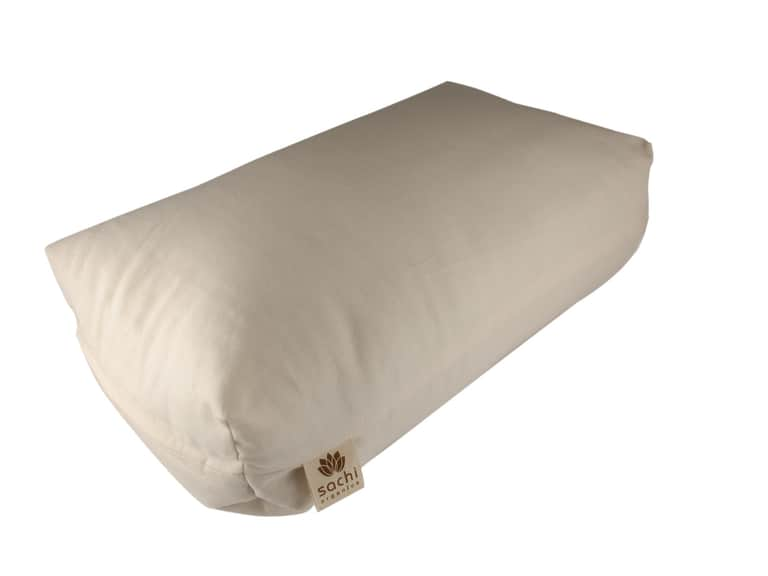
Visuals and details — product imagery is available on the brand’s listing, showcasing lofted pillows with multiple angles and the soft sheen of organic cotton sateen. The main image highlights the pillow in a cozy, minimalist setting, while the gallery illustrates size options and the pillow’s plush texture.
Key features: GOTS certification, organic cotton fabric, wool filling, handmade construction, biodegradable packaging option.
Conclusion: a natural choice for better sleep
Organic wool pillows emerge as a thoughtful union of comfort, sustainability, and practical care. They provide a responsive loft that can adapt to changing sleep positions while maintaining an even surface for neck and head alignment. When paired with trusted brands like Savvy Rest and Naturepedic, they become part of a sleep routine that honors both personal well-being and environmental responsibility. By embracing wool, sleepers can access a time-tested material that continues to prove its relevance in today’s wellness-forward culture.
For readers who want to go deeper, consider exploring additional product lines that emphasize organic fillings, certifications, and care guides. And if you’re building a sleep-first bedroom, a wool pillow can be a cornerstone of a larger, sustainable comfort plan — one that speaks to the heart as much as the head.
Disclaimer: Always follow manufacturer care instructions and confirm certifications for materials when evaluating pillow choices.